How to Value an F&B Business in Singapore: A Practical Framework
Written by ValuationBridge Advisory Team | Published October 2024
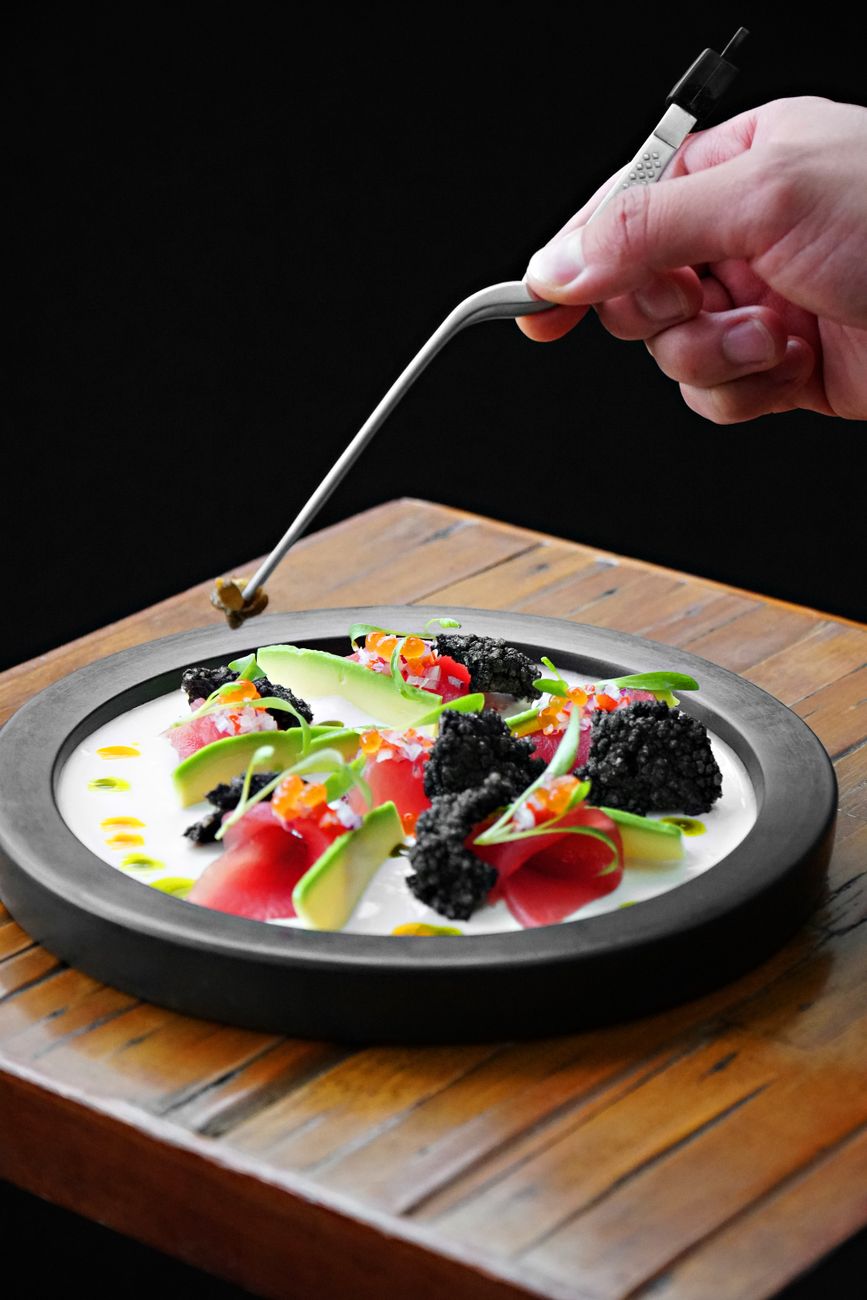
The Food & Beverage industry in Singapore is intensely vibrant, yet notoriously complex when it comes to business valuation. Unlike traditional manufacturing operations with simple depreciation schedules, or software companies evaluated entirely on annual recurring revenue (ARR), F&B outlets exist in a highly dynamic ecosystem influenced by central real estate leases, fit-out capital depreciation, and staff talent pools.
1. EBITDA Multiples vs. Fit-out Asset Replacement Costs
A common mistake made by first-time sellers is pricing their business based on "historical capital invested." For instance, spending SGD 400,000 to construct a premium restaurant interior does not automatically translate to a SGD 400,000 premium on sale. Institutional and professional buyers prioritize adjusted Earnings Before Interest, Taxes, Depreciation, and Amortization (EBITDA). Typical F&B transactions in Singapore's Tanjong Pagar or Orchard areas range between 2.0x to 4.5x adjusted annual EBITDA, depending on operational consistency.
2. The Critical Role of Landlord Lease Security
A cafe earning great cash flow with only 8 months left on its central lease is highly vulnerable. Any buyer must ensure that landlords (especially major corporate REITs in Singapore) are ready to offer a lease renewal or assign the existing lease on similar rental terms. Our team strongly recommends initiating landlord discussions early, under strict confidentiality, to guarantee a seamless transfer.
"We advise never putting an F&B asset on the public marketplace without establishing a clear remaining lease term of at least 24 months, or a pre-negotiated option to renew."
3. Assessing Staffing and License Continuity
Sourcing S-Pass and Work Permit quotas is a major friction point in the local culinary sector. A business that is transferred with a fully trained, loyal local workforce and existing quota availability commands a significant premium over one that is sold as a "vacant shell." Additionally, ensuring transferability of NEA hygiene licenses, liquor licenses, and Halal certifications avoids costly operational delays post-acquisition.
Want a customized valuation for your hospitality brand?
ValuationBridge offers precise, audited valuations aligned with actual local market transactions.
Book Confidential Evaluation